Honoring Rosa Parks: A Birthday Reflection on Courage and Change
Each February, conversations about history, justice, and courage naturally return to one of the most recognizable figures of the American civil rights movement: Rosa Parks. Though her birthday falls on February 4, remembering her is never confined to a single day. Reflecting on her life offers a chance to revisit how individual conviction can influence the direction of an entire society.
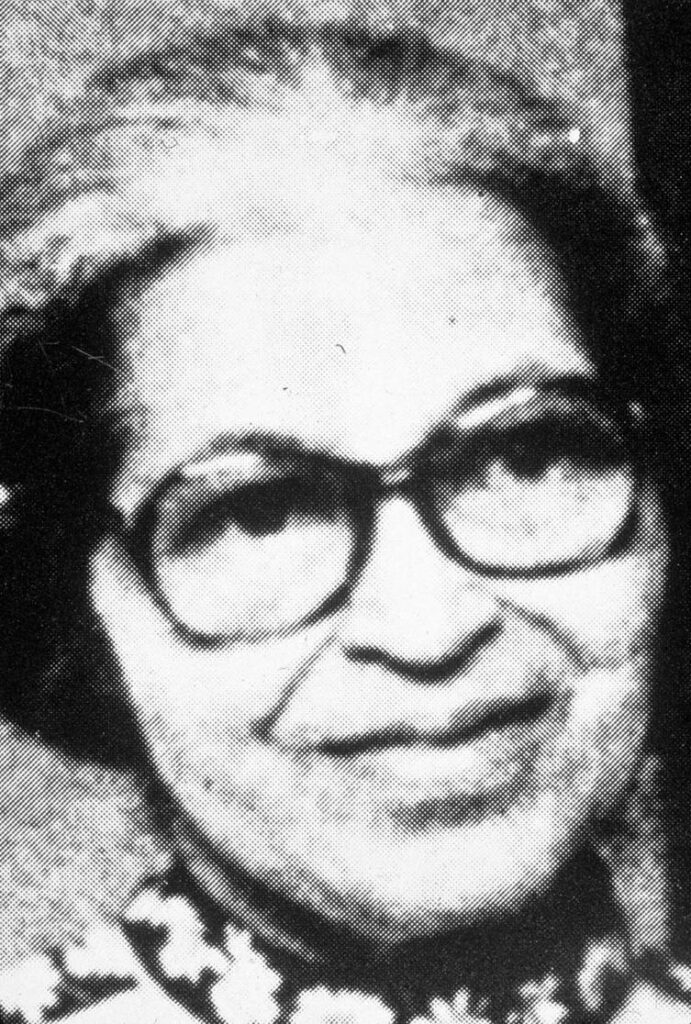
Rosa Parks was born in 1913 in Tuskegee, Alabama, into a world structured by segregation and inequality. From an early age, she witnessed the realities of racial injustice that defined daily life in the Jim Crow South. These experiences did not simply shape her worldview — they helped cultivate a quiet resolve that would later echo across the nation.
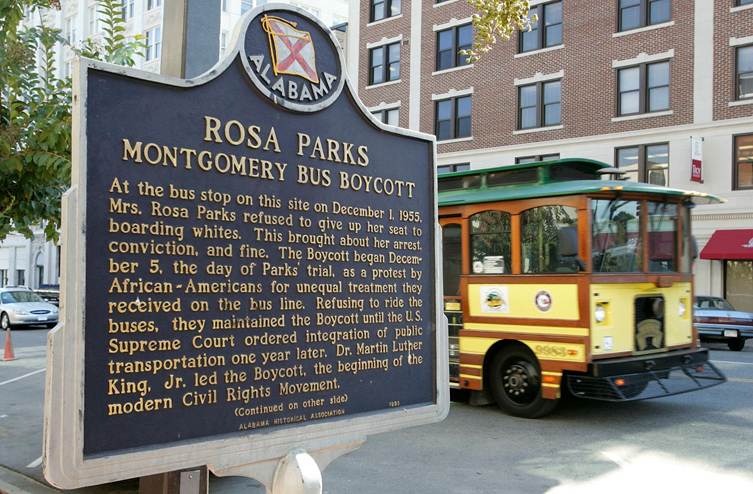
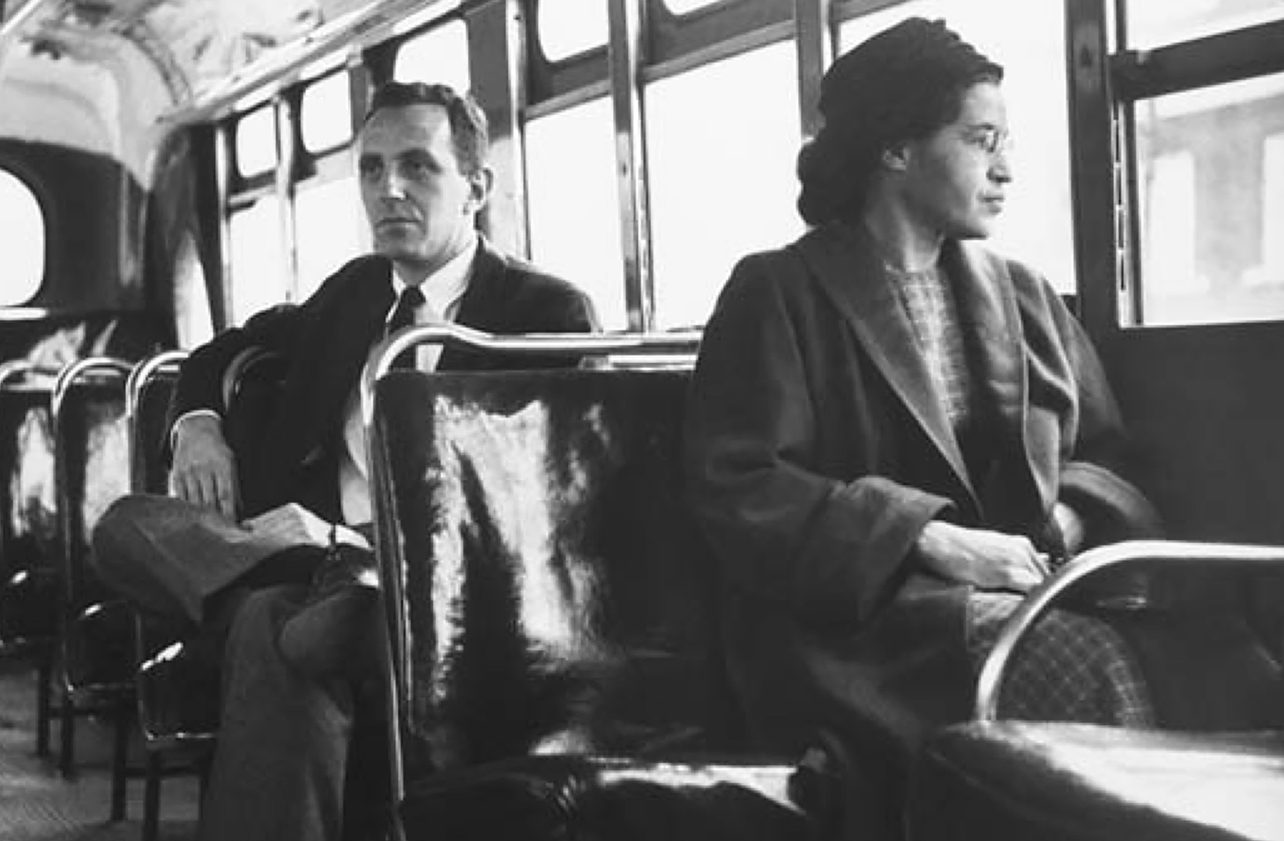
Her most famous act came in 1955, when she refused to surrender her seat to a white passenger on a Montgomery bus. That moment is often described as spontaneous, but it was also rooted in years of community involvement and activism. Parks was not merely tired from a long day; she was tired of systemic injustice. Her arrest sparked the Montgomery Bus Boycott, a sustained protest that mobilized thousands and introduced new leadership voices into the civil rights movement.
Yet reducing Rosa Parks to a single incident risks overlooking the breadth of her life’s work. She remained an advocate for civil rights long after the boycott, supporting voter registration efforts, youth engagement, and broader social justice initiatives. Her commitment reflected a belief that change is not achieved in a moment — it is built through persistence, organization, and collective action.
What continues to resonate about Rosa Parks is the power of principled defiance. Her decision demonstrated that courage does not always appear loud or dramatic. Sometimes it is steady, deliberate, and deeply personal — and precisely because of that, transformative.
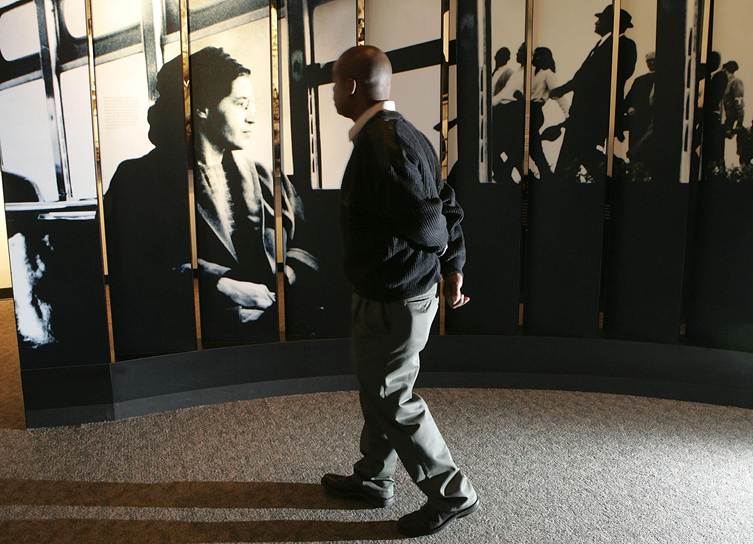
Remembering her birthday is more than an act of historical acknowledgment. It is an invitation to examine how ordinary people shape extraordinary outcomes. Parks’ legacy reminds us that social progress is often driven by individuals who recognize injustice and choose not to accept it as inevitable.
More than a historical figure, Rosa Parks remains a symbol of dignity and determination. Her life encourages reflection on civic responsibility, moral courage, and the ongoing work required to build a more equitable society. In honoring her, we are also honoring the idea that meaningful change often begins with a single, brave refusal to stand — or in her case, to give up a seat.
Her story continues to inspire generations, proving that history is not only something we inherit, but something we actively create.