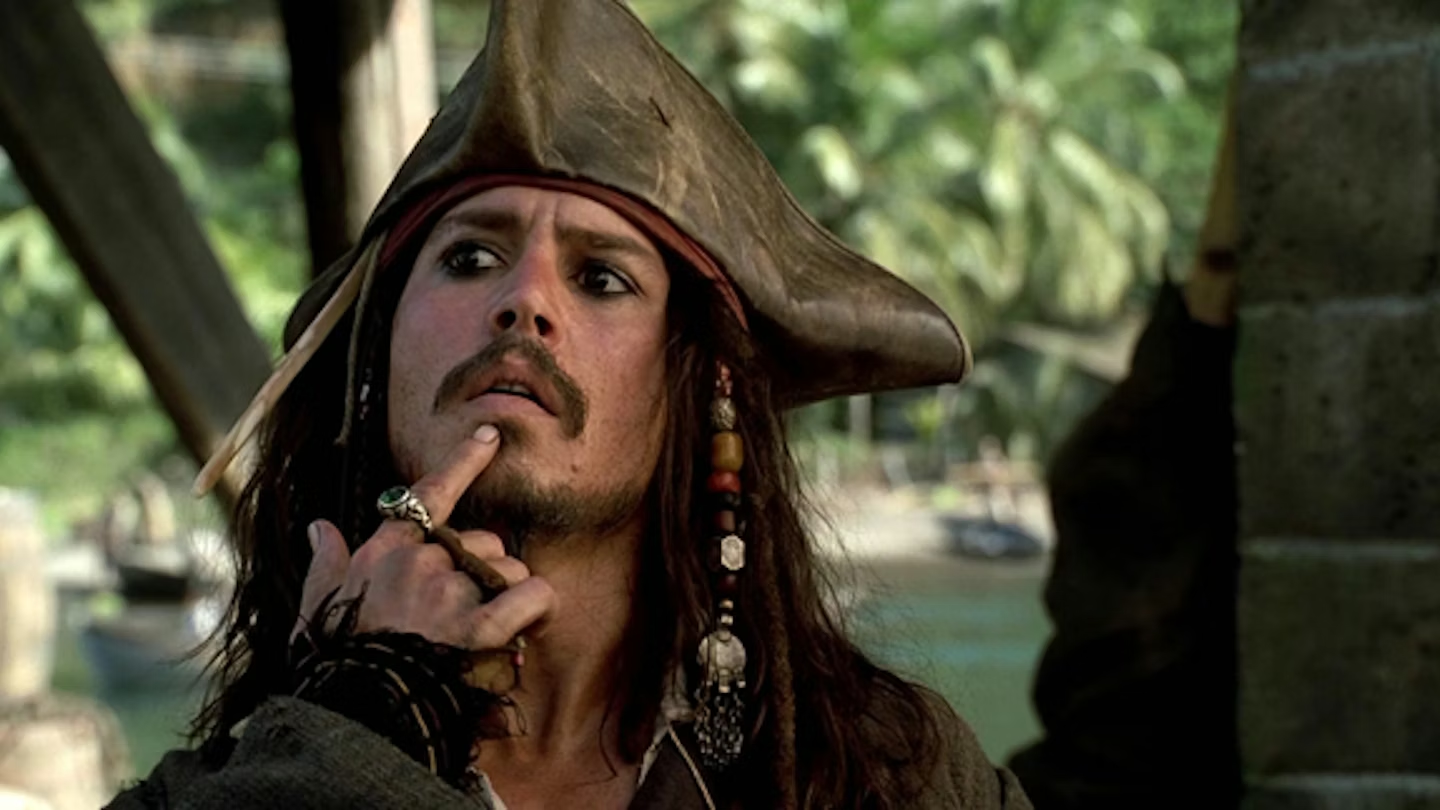
Johnny Depp Opens Up
For years, the public’s view of Johnny Depp was shaped not just by his unforgettable characters like Captain Jack Sparrow or Edward Scissorhands, but by one of the most intensely scrutinized legal battles in modern Hollywood history — his defamation lawsuit against ex‑wife Amber Heard. Even now, years after the courtroom drama, Depp is finally opening up about what his life looks like today, how he’s processing the past, and how — despite the noise — he’s trying to chart a grounded, thoughtful chapter ahead.
The legal battle that consumed headlines — and social media feeds — was rooted in a 2018 op‑ed Heard wrote for The Washington Post, in which she described herself as a public figure representing the issue of domestic abuse. Though Depp was never named directly in the piece, he believed it damaged both his reputation and career and sued her for defamation. The high‑profile Virginia trial that followed became a flashpoint in culture wars, spawning fervent online debates, passionate fan campaigns, and endless commentary from every corner of the entertainment world.
In 2022, Depp prevailed, with a jury awarding him significant damages — a decision that many supporters heralded as vindication. For Depp himself, it was also more than just a legal win: it marked a moment of closure, though not one without deep reflection. In public statements after the verdict, he reflected on how drastically the proceedings had altered his life, the lives of his children, and the people who stood by him for years. He spoke about feeling a profound sense of peace after the trial concluded, saying that his goal had always been simply to set the record straight.
Despite the tumult of that period, Depp insists he never left the film industry’s stage — contrary to narratives suggesting he had been “sidelined.” In a recent interview, he stressed that he “didn’t go anywhere” and that if he had ever truly stepped away, he would’ve never returned to acting. Instead, he’s been deliberate in choosing how to move forward, focusing on work that aligns with his passions and perspectives.
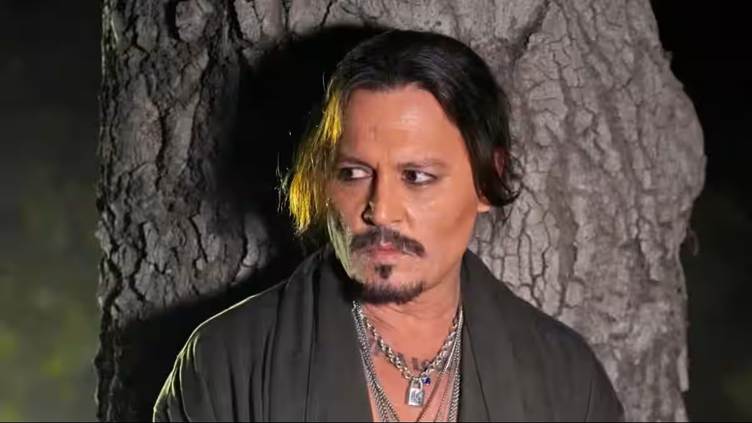
Yet while his professional life remains vibrant, on a personal level, Depp admits there have been quieter struggles. One of the themes he’s been candid about is his experience with empty‑nest syndrome — a deep sense of wistfulness now that his children have grown up and moved into their own lives. He shared that the one place he ever truly felt “at home” was the family estate in the South of France he shared with his former partner Vanessa Paradis and their two children. In that idyllic setting, his kids called him “Papa” — a title he cherished and now nostalgically recalls.
Today, Depp’s life straddles multiple continents and residences. Although born in Owensboro, Kentucky, and raised in a family that moved frequently, he has since built a global footprint of homes. He owns an 850‑acre estate in England, a property that’s widely regarded as his primary residence. In Hollywood Hills, he holds several iconic homes, including historic structures with distinctive architectural character. He also still retains the French property near St. Tropez that he once tried to sell, and a peaceful home in the Bahamas where he spends significant time.
Through it all, Depp has thoughtfully addressed what he wants his legacy to be. He’s shared advice he gives to his children — particularly his daughter, Lily‑Rose, who is following in his artistic footsteps — emphasizing the importance of staying true to oneself and resisting the allure of fame as a defining identity. He has counseled them against letting the industry dictate who they should be in pursuit of roles, money, or public image.
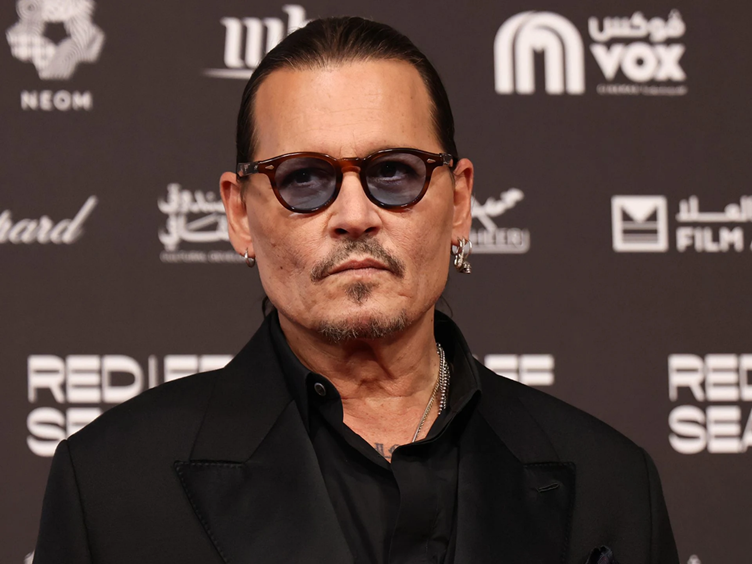
Despite the notoriety of his legal dispute, Depp’s focus — at least publicly — has shifted toward looking ahead. He has diversified his creative pursuits, including directing projects and selective film roles. While some have criticized his choices or debated how the lawsuit has shaped public perception, there’s no denying his enduring influence in pop culture and cinema. The legal battle — however polarizing — did not end his career; rather, it added another dramatic chapter to an already storied life in the spotlight.
Equally compelling is the contrast between Depp’s high‑profile public persona and the introspective reflections he shares in quieter moments. He’s acknowledged that his children growing up has shifted his priorities and reminded him how swiftly time moves. Filling his days with art, travel, family memories, and selective professional commitments, Depp appears determined not to let the echoes of past headlines define his present or future.
In a world where celebrity narratives often feel scripted by tabloids and algorithms, Depp’s current reflections offer a rare look at a man wrestling with both his legacy and his humanity. He’s reminded audiences that beyond the sensational headlines, there are personal truths, tender memories, and hard‑earned lessons. And as he moves forward, he seems intent on living life on his own terms — grounded in family, art, and self‑rediscovery after one of Hollywood’s most talked‑about dramas.