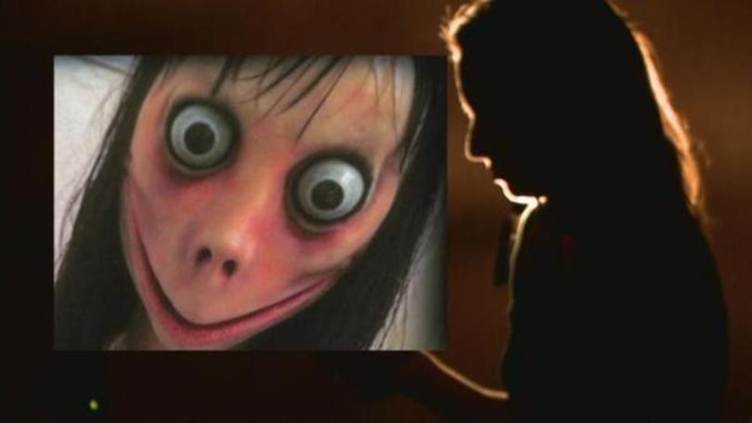
The Momo Challenge: The Internet Horror Story That Terrified Parents Worldwide
For a time, the internet seemed haunted by a single face.
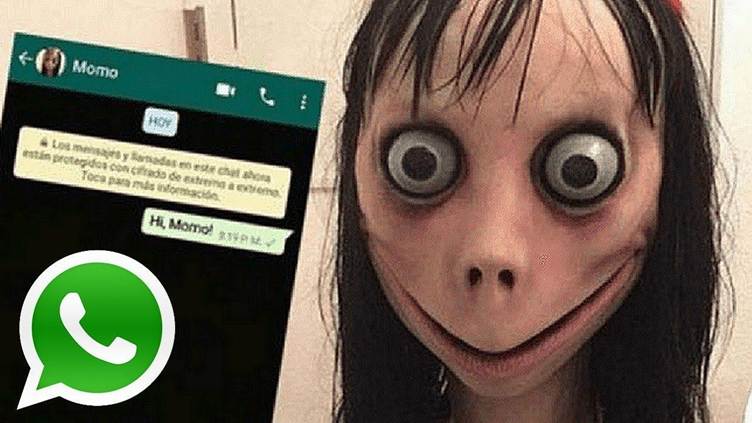
A pale woman with bulging eyes, stringy black hair, and an unnatural grin began appearing everywhere — in screenshots, viral videos, forwarded messages, and frightening social media posts. Parents warned one another in panic. Schools issued alerts. Children whispered about it online late at night.
The figure was called “Momo.”
And according to the rumors, “Momo” was not just an image. It was supposedly a dangerous online entity that contacted children through messaging apps and videos, giving them terrifying instructions and encouraging harmful behavior.
Whether you believed the story or not, one thing was certain:
The internet had found its newest urban legend.
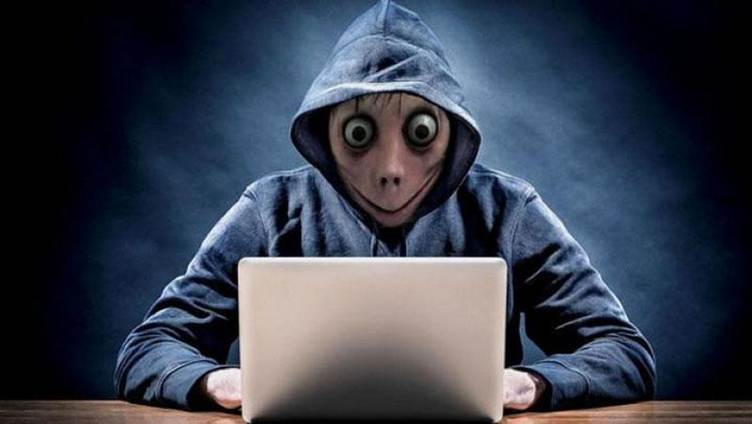
The Face That Went Viral
The image associated with “Momo” was deeply unsettling. Its wide, staring eyes and stretched smile looked almost inhuman — the kind of face that feels disturbing even after you look away.
As the image spread online around 2018 and 2019, frightening stories followed close behind.
According to viral posts, children were allegedly being contacted by “Momo” through platforms like WhatsApp, online videos, and social media. The challenge supposedly encouraged users to complete a series of disturbing tasks that became more dangerous over time.

Some rumors even claimed that “Momo” appeared suddenly in children’s videos late at night, interrupting cartoons with horrifying instructions.
Panic spread rapidly.
Parents began checking phones. Teachers warned students. News headlines amplified the fear. Across the internet, millions of people started asking the same question:
Was the Momo Challenge real?
The Origins of “Momo”
Strangely enough, the terrifying face behind the legend did not come from a hacker group, a dark web cult, or a secret online game.
It came from an art exhibit.
The infamous image was actually a sculpture called “Mother Bird,” created by Japanese special effects artist Keisuke Aiso.
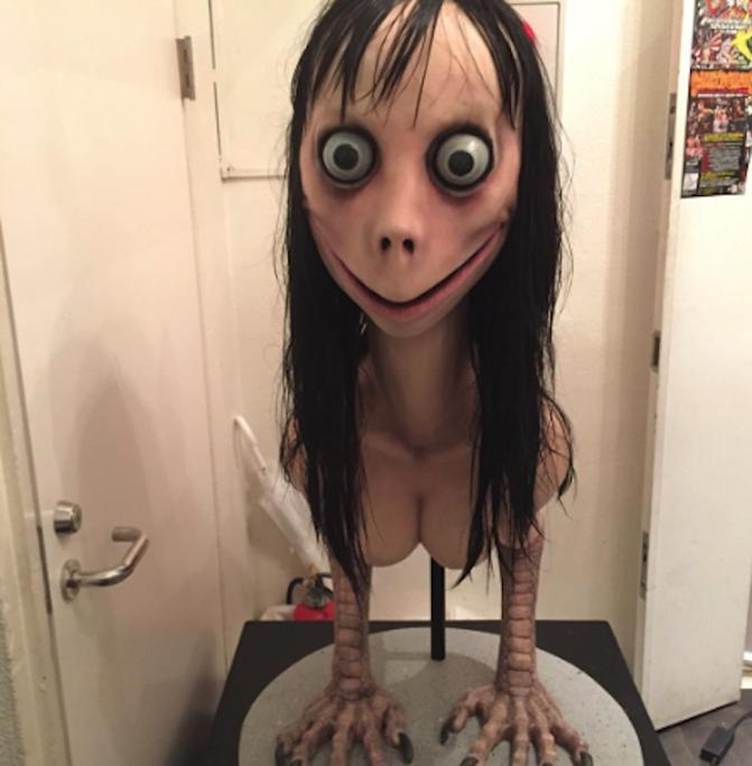
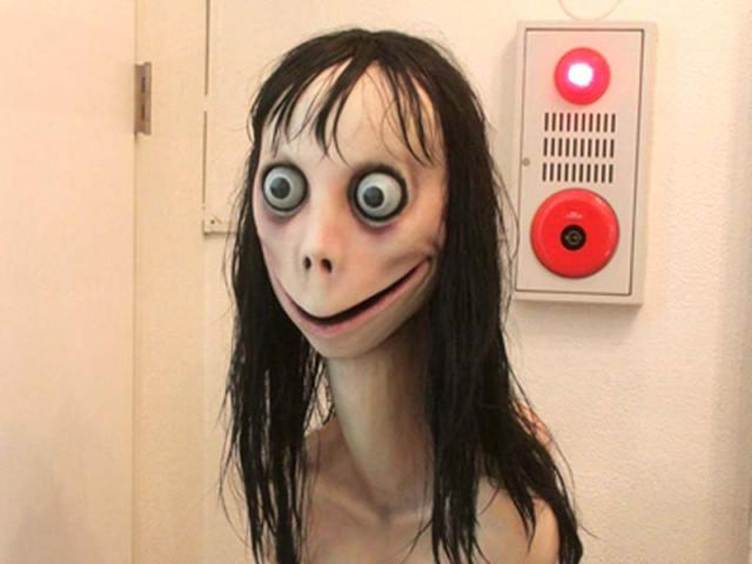
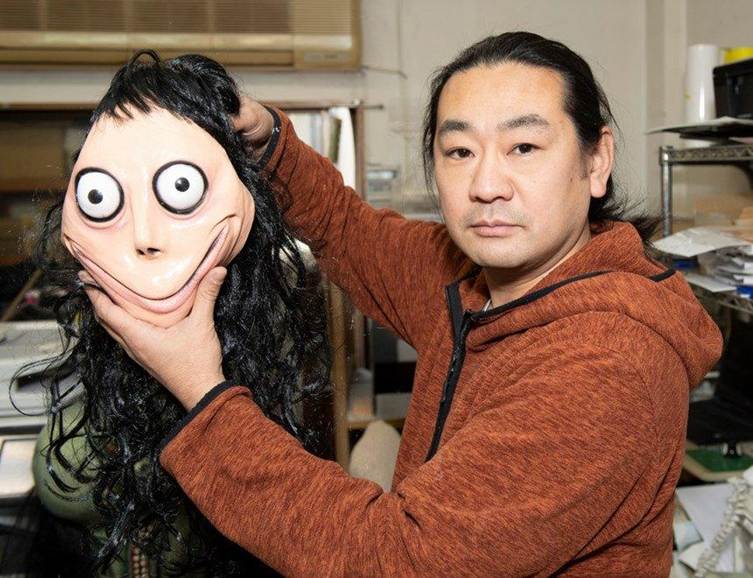
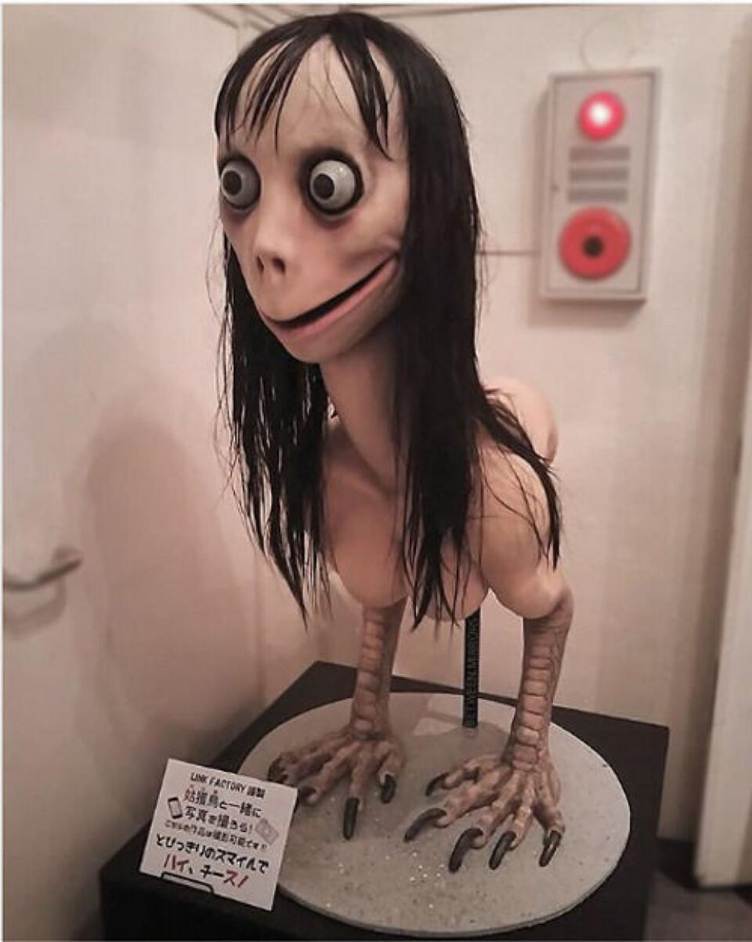
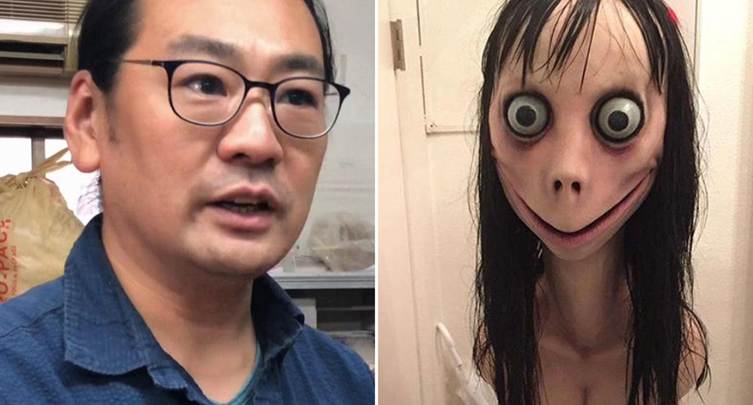
Originally displayed as a piece of horror art, the sculpture was never intended to become part of a worldwide internet panic. Yet once photos of it appeared online, users transformed it into something much larger — a digital ghost story for the social media age.
The image spread faster than the truth ever could.
Fear Moves Faster Than Facts
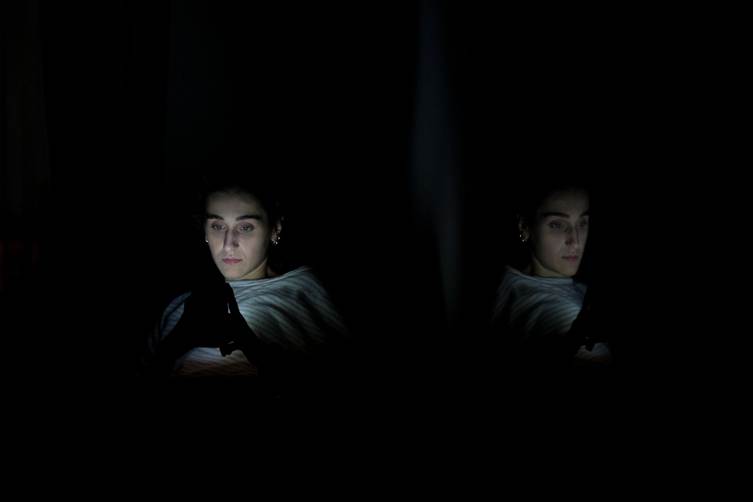
As stories multiplied, investigators and journalists began looking for evidence of the challenge itself.
What they found was surprising.
Despite the massive attention, there was very little verified proof that an organized “Momo Challenge” actually existed. Many screenshots were fake. Numerous stories could not be confirmed. Some clips were edited specifically to frighten viewers and gain attention online.
Organizations, fact-checkers, and media outlets — including BBC — later reported that the challenge appeared to be more of a viral moral panic than a real coordinated threat.
But by then, the legend had already taken on a life of its own.
And that is what made the story so unsettling.
Not the possibility that “Momo” was real…
…but how quickly millions of people believed it could be.
Why the Story Terrified So Many People
Urban legends have always existed. Every generation has its ghost stories, mysterious warnings, and tales whispered in the dark.
But the internet changed something.
Older myths traveled slowly through conversations and communities. The Momo story traveled instantly — directly into homes, schools, and children’s phones.
The combination was powerful:
- a horrifying image,
- fear for children’s safety,
- anonymous online accounts,
- and endless reposts designed to trigger panic.
Even people who doubted the story often felt uneasy after seeing the image. The human brain reacts strongly to distorted facial features and uncanny expressions. The sculpture’s appearance tapped directly into that discomfort.
And social media made escape nearly impossible.
The more people warned others not to look at “Momo,” the more curiosity grew.
The Dark Side of Viral Fear
One of the strangest parts of the Momo phenomenon was how the fear itself became more dangerous than the alleged challenge.
Children who had never heard of “Momo” were suddenly exposed to frightening images because adults kept reposting warnings. Fake videos and edited screenshots multiplied across platforms. Content creators exaggerated stories for clicks and views.
The internet essentially created a monster out of rumors, panic, and algorithms.
In many ways, “Momo” became a perfect symbol of the modern digital age:
- frightening,
- mysterious,
- impossible to fully trace,
- and amplified endlessly by social media.
The Real Lesson Behind the Legend
Although the Momo Challenge was largely considered a hoax, the concerns surrounding it were not entirely imaginary.
The panic highlighted real issues:
- children can encounter disturbing content online,
- strangers can contact minors through apps and games,
- and misinformation spreads faster than careful verification.
The story also revealed how easily fear can overpower facts online.
A single unsettling image, combined with enough reposts and rumors, became one of the most infamous internet scares of the decade.
Final Thoughts
Today, the “Momo Challenge” stands as one of the internet’s most memorable modern horror stories — not because a supernatural figure was secretly contacting people online, but because millions watched a digital myth grow in real time.
What began as a sculpture turned into a global panic.
And perhaps that is the creepiest part of all.
In the age of the internet, monsters no longer need to exist to frighten the world.