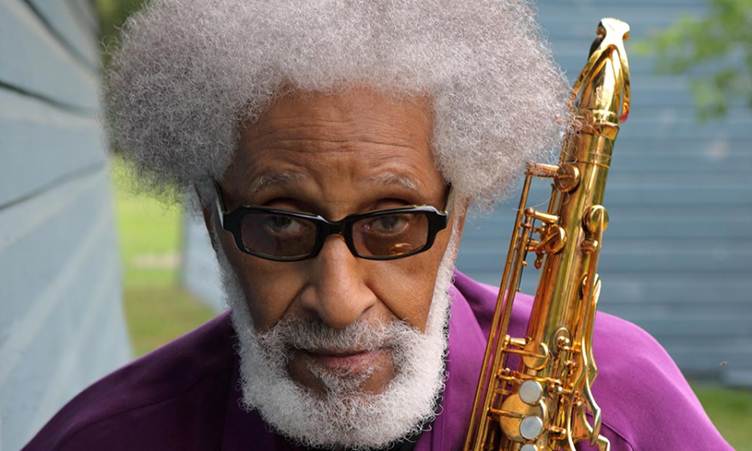
Jazz Legend Sonny Rollins Dies at 95
The world of music has lost one of its most influential voices. Jazz icon Sonny Rollins, widely regarded as one of the greatest saxophonists in history, has died at the age of 95. His death was announced by his family and representatives, bringing an end to a remarkable career that spanned more than seven decades.
For generations of musicians and music lovers, Rollins was more than a performer. He was a relentless innovator whose powerful sound, fearless improvisation, and lifelong commitment to artistic growth helped shape modern jazz. Many critics considered him the greatest living jazz improviser of his era.
A Career That Shaped Modern Jazz
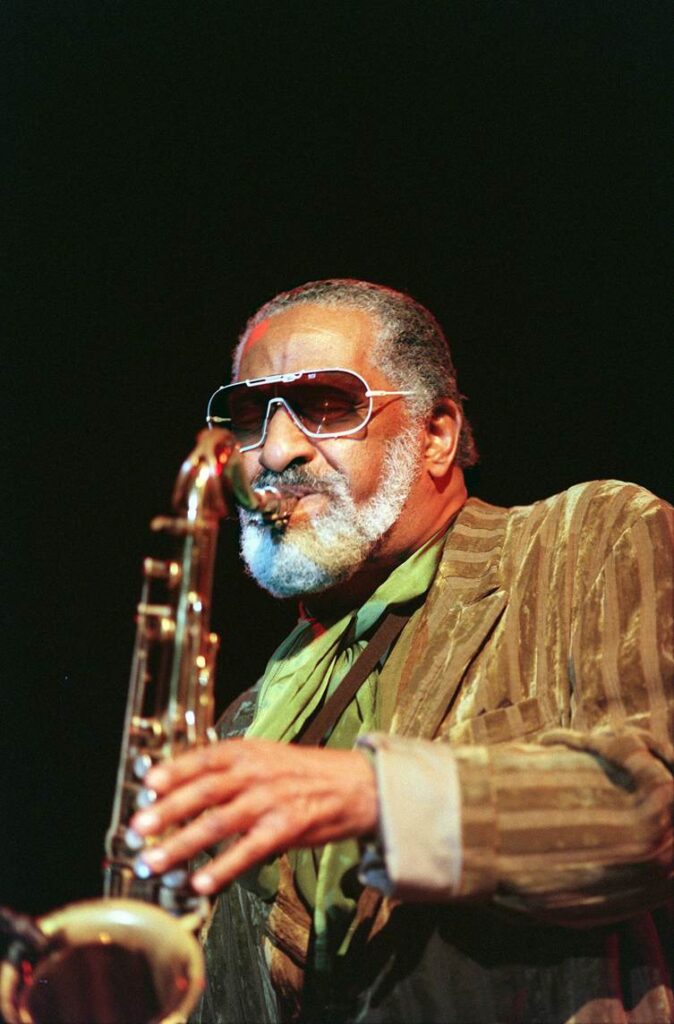
Born in New York City in 1930, Rollins emerged during one of the most exciting periods in jazz history. He performed alongside legendary artists such as Miles Davis, Thelonious Monk, and Max Roach, quickly establishing himself as one of the most gifted improvisers of his generation.
His recordings became essential listening for jazz enthusiasts around the world. Albums such as Saxophone Colossus helped cement his reputation as a musician capable of combining technical brilliance with deep emotional expression.
The Man Behind “Saxophone Colossus”
Born Walter Theodore Rollins in Harlem, New York, in 1930, he began playing saxophone as a teenager and quickly emerged as one of the brightest talents in jazz. His landmark 1956 album Saxophone Colossus became one of the most celebrated recordings in jazz history and earned him the nickname “The Saxophone Colossus.”
The album featured “St. Thomas,” a joyful calypso-inspired composition that remains one of the most recognizable jazz recordings ever made. Other Rollins compositions such as “Oleo,” “Airegin,” and “Doxy” became standards performed by musicians around the world.
The Musician Who Practiced on a Bridge
One of the most famous stories in jazz history belongs to Sonny Rollins.
At the height of his fame, despite being considered one of the best saxophonists alive, Rollins became dissatisfied with his own playing. Instead of continuing to tour and record, he stepped away from the spotlight and spent more than two years practicing alone on New York City’s Williamsburg Bridge.
The bridge offered privacy and enough space for him to play as loudly as he wanted without disturbing neighbors. The experience became part of music folklore and later inspired his acclaimed album The Bridge.
He Played with the Greatest Names in Music
Throughout his career, Rollins collaborated with some of the biggest names in jazz history, including Miles Davis, Thelonious Monk, Max Roach, Charlie Parker, and John Coltrane. These partnerships helped define the golden age of modern jazz.
Many people are surprised to learn that Rollins also crossed into popular music. In 1981, he contributed saxophone performances to the Rolling Stones album Tattoo You, including the hit song “Waiting on a Friend.”
A Lifetime of Recognition
Rollins received numerous honors throughout his life, including a Grammy Lifetime Achievement Award, the National Medal of Arts, and Kennedy Center Honors. His influence extended far beyond jazz, earning him recognition as one of the most important American musicians of the twentieth century.
Even after health problems forced him to retire from public performance, his recordings continued to inspire new generations of artists and listeners.
Tributes Pour In
Following news of his passing, musicians, critics, and fans from around the world shared tributes celebrating Rollins’ extraordinary impact on music.
Many remembered not only his groundbreaking performances but also his humility, curiosity, and lifelong commitment to artistic excellence.
A Legacy That Will Never Fade
Few musicians leave behind a legacy as profound as Sonny Rollins.
He recorded more than sixty albums, transformed the art of improvisation, and spent his entire life searching for new ways to grow as an artist. His story was never simply about talent. It was about discipline, curiosity, and the belief that there was always another level to reach.
Today, fans around the world are revisiting his music, sharing favorite performances, and remembering a man whose saxophone helped define an era.
Sonny Rollins may be gone, but his music—and the spirit behind it—will continue to inspire generations to come.